Introduction: Why Project Mobilization Has Become a Strategic Business Function
Industrial projects are becoming larger, faster, and more complex than ever before. Whether it is a manufacturing facility, logistics park, warehouse, renewable energy plant, industrial shed, or infrastructure project, success today depends on how quickly a project can move from planning to execution.
Traditionally, project mobilization was viewed as a preliminary activity involving temporary offices, storage areas, labor camps, and site utilities. However, in 2026, mobilization has evolved into a critical factor influencing project timelines, workforce productivity, operational efficiency, and overall project profitability.
As industrial developers face increasing pressure to reduce execution timelines and optimize costs, Portable & Modular Infrastructure is emerging as the preferred solution for rapid site deployment.
From EPC contractors and industrial developers to manufacturing companies and infrastructure firms, organizations are embracing modular solutions to create fully functional project environments in a fraction of the time required by conventional construction methods.
What Is Portable & Modular Infrastructure?
Portable & Modular Infrastructure refers to prefabricated buildings and facilities manufactured off-site and installed quickly at project locations.
These solutions may include:
- Modular site offices
- Portable cabins
- Workforce accommodation units
- Security cabins
- Control rooms
- Utility buildings
- Dining facilities
- Medical rooms
- Meeting spaces
- Storage structures
Unlike traditional temporary structures, modular infrastructure is engineered, standardized, reusable, and scalable.
Because these units are fabricated in controlled environments before delivery, they significantly reduce on-site construction activities while improving quality consistency.
Featured Snippet Answer
Portable & modular infrastructure is a prefabricated site development solution that enables industrial projects to quickly establish offices, workforce facilities, utilities, and operational spaces without relying on time-consuming conventional construction.
Why Industrial Project Mobilization Is Changing in 2026
The industrial sector is experiencing significant transformation due to:
- Manufacturing expansion
- Industrial corridor development
- Logistics growth
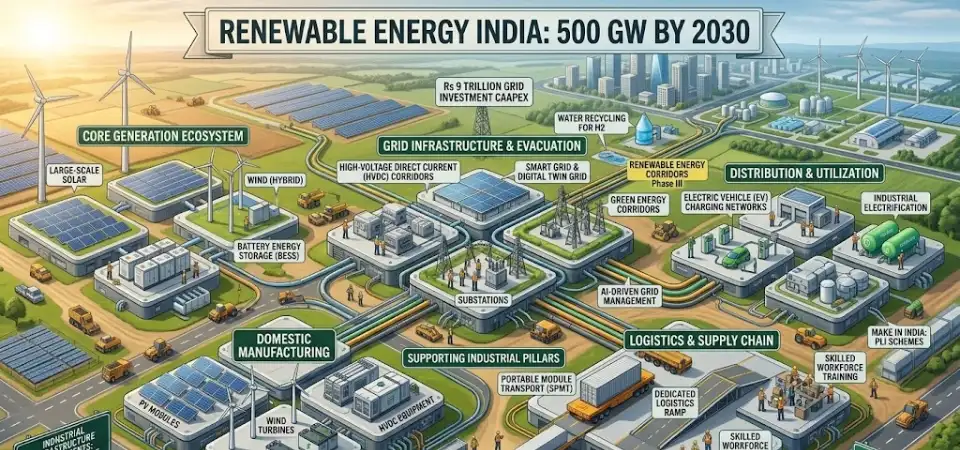
- Renewable energy investments
- Infrastructure modernization
Project owners are no longer willing to spend months building temporary facilities before actual project execution begins.
Today’s industrial environment demands:
- Faster mobilization
- Lower setup costs
- Improved workforce welfare
- Better site management
- Flexible infrastructure
Portable & Modular Infrastructure directly addresses these requirements.
The Biggest Challenges in Traditional Site Setup
Conventional temporary construction often creates operational challenges that affect project performance.
Longer Deployment Time
Temporary brick-and-mortar structures require:
- Material procurement
- Site labor
- Multiple contractors
- Weather-dependent construction
This slows project mobilization significantly.
Cost Escalation
Temporary structures often become expensive because they are demolished once the project is complete.
The investment rarely generates long-term value.
Limited Flexibility
Traditional site infrastructure is difficult to relocate, expand, or reconfigure as project requirements evolve.
Workforce Management Issues
Poorly planned temporary facilities often affect:
- Worker productivity
- Safety compliance
- Employee satisfaction
These issues can impact project timelines and operational performance.
Why Portable & Modular Infrastructure Is Becoming the Industry Standard
1. Rapid Project Deployment
Speed is the biggest advantage.
Most modular facilities arrive at the project site ready for installation, allowing businesses to establish operational infrastructure within days rather than weeks.
For industrial projects, faster mobilization means:
- Earlier project execution
- Reduced idle time
- Faster commissioning
- Improved cash flow
This makes Portable & Modular Infrastructure a strategic investment rather than a temporary expense.
2. Scalability for Growing Projects
Industrial projects rarely remain static.
As execution progresses, additional infrastructure may be required for:
- Project teams
- Storage facilities
- Accommodation
- Operational support
Modular infrastructure can be expanded easily without disrupting existing operations.
This flexibility is particularly valuable for long-duration infrastructure and manufacturing projects.
3. Improved Workforce Facilities
Modern industrial projects increasingly prioritize workforce welfare.
Portable & Modular Infrastructure allows project owners to establish:
- Comfortable accommodation
- Hygienic dining facilities
- Medical units
- Recreation areas
- Administrative offices
Better facilities contribute directly to workforce productivity and retention.
Applications of Portable & Modular Infrastructure
Modular Site Offices
Site offices serve as the operational headquarters of any industrial project.
Modern modular offices can include:
- Executive cabins
- Meeting rooms
- Project control centers
- IT-enabled workspaces
These facilities provide a professional environment from the first day of project execution.
Workforce Accommodation
Labor housing remains one of the most critical requirements for industrial projects.
Modular accommodation solutions offer:
- Quick deployment
- Standardized quality
- Comfortable living conditions
- Easy maintenance
This is particularly beneficial for projects located in remote regions.
Security and Access Management
Security infrastructure is essential for protecting project assets and managing personnel movement.
Portable solutions support:
- Security checkpoints
- Guard cabins
- Visitor management stations
- Surveillance centers
Utility and Service Infrastructure
Modular solutions can also accommodate:
- Electrical control rooms
- Equipment storage
- Workshops
- First-aid centers
- Maintenance facilities
These units help create a complete project ecosystem.
Cost Advantages of Portable & Modular Infrastructure
One of the biggest misconceptions about modular solutions is that they increase project costs.
In reality, they often reduce overall expenditure.
Reduced Construction Cost
Factory fabrication minimizes:
- Material wastage
- Labor requirements
- Construction delays
Reusability
Unlike temporary masonry buildings, modular units can be:
- Relocated
- Refurbished
- Reused across multiple projects
This improves long-term return on investment.
Lower Lifecycle Cost
When evaluating project economics, decision-makers increasingly focus on lifecycle value rather than initial expenditure.
Modular infrastructure consistently performs well from a lifecycle cost perspective.
Why EPC Contractors Prefer Modular Infrastructure
Engineering, Procurement, and Construction (EPC) companies are among the largest adopters of modular infrastructure.
The reasons are clear:
Better Schedule Control
Modular systems help maintain project timelines by reducing dependency on on-site construction.
Standardized Quality
Factory manufacturing improves consistency and quality control.
Reduced Project Risk
Fewer site activities mean:
- Improved safety
- Better logistics management
- Reduced execution risk
These advantages are particularly important for large-scale industrial developments.
Sustainability and ESG Benefits
Environmental performance is becoming a major consideration in industrial construction.
Portable & Modular Infrastructure supports sustainability goals through:
- Reduced site waste
- Lower resource consumption
- Reusable building components
- Reduced environmental disturbance
Many organizations now view modular solutions as part of their broader ESG and sustainability strategy.
Integration with Modern Industrial Infrastructure
Portable infrastructure works exceptionally well alongside:
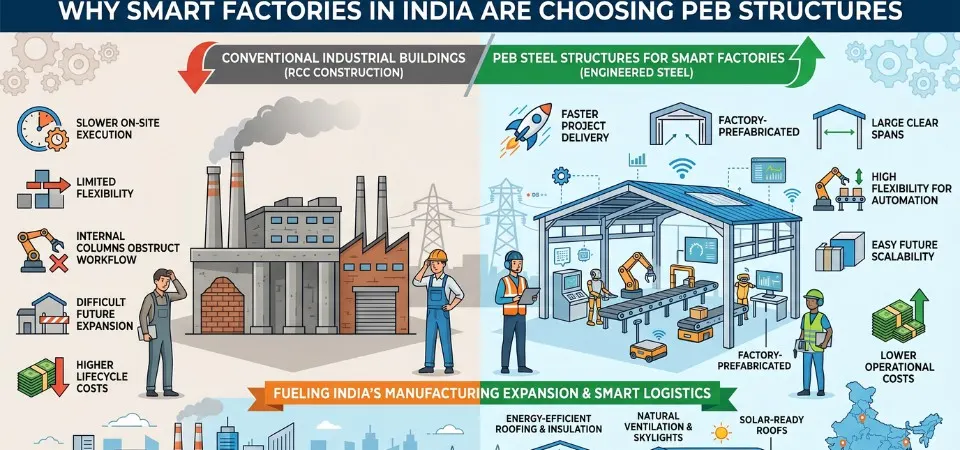
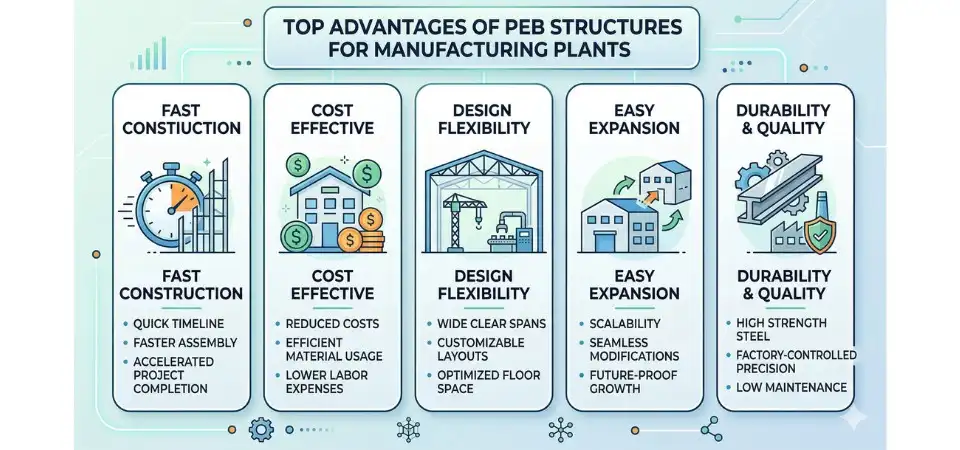
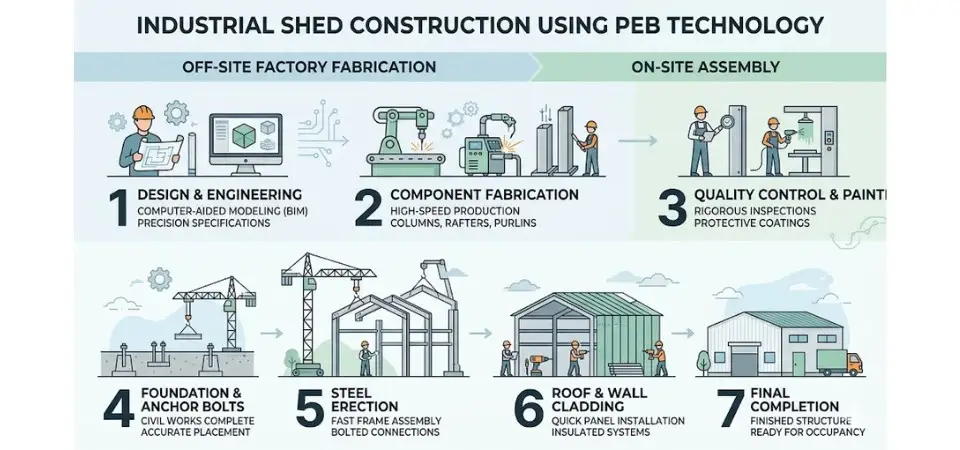
- Pre-Engineered Buildings (PEB)
- Industrial sheds
- Warehouses
- Manufacturing plants
- Logistics parks
- Renewable energy projects
Companies such as Eco Plus, which specialize in industrial and infrastructure development, are increasingly seeing modular solutions become a natural extension of modern project execution strategies.
Future Trends Driving Modular Infrastructure Growth
Smart Site Offices
Future modular facilities will increasingly incorporate:
- IoT monitoring
- Smart access control
- Occupancy management
- Energy monitoring systems
Sustainable Materials
Manufacturers are adopting environmentally responsible materials to improve building performance.
Integrated Modular Campuses
Large industrial projects are beginning to deploy complete modular ecosystems that combine:
- Offices
- Accommodation
- Utilities
- Dining facilities
- Security infrastructure
into a single coordinated site solution.
Conclusion
Industrial projects in 2026 demand more than engineering excellence. They require speed, flexibility, workforce readiness, and operational efficiency from day one.
Portable & Modular Infrastructure has emerged as a practical solution that helps industrial developers accelerate project mobilization while maintaining quality, cost control, and scalability.
As industrial construction continues to evolve, modular infrastructure is no longer a temporary convenience—it is becoming a strategic advantage.
Organizations that adopt modular site solutions early will be better positioned to execute projects faster, manage resources more effectively, and remain competitive in an increasingly demanding industrial environment.