Introduction: Why the Future of PEB Buildings Matters for Industrial Development
India’s infrastructure and manufacturing landscape is evolving rapidly. From expanding logistics corridors to modern manufacturing plants and large industrial parks, the demand for faster, scalable, and cost-efficient construction solutions has never been higher.
This shift has placed Pre-Engineered Buildings (PEB) at the center of industrial construction. Businesses, developers, and infrastructure planners are increasingly exploring the Future of PEB Buildings as a strategic alternative to conventional construction methods.
Unlike traditional building systems that depend heavily on time-consuming on-site work, PEB technology focuses on engineering precision, factory fabrication, and rapid assembly. This approach dramatically reduces project timelines while maintaining structural strength and flexibility.
Across India, sectors such as logistics, manufacturing, energy, and infrastructure are now investing in steel-based construction systems. As a result, understanding the Future of PEB Buildings is essential for industrial decision-makers planning long-term infrastructure projects.
Organizations specializing in engineered steel construction, including Eco Plus, are already contributing to this transformation by delivering modern steel structures aligned with industrial needs.
What Are Pre-Engineered Buildings (PEB)?
Before exploring the Future of PEB Buildings, it is important to understand the concept itself.
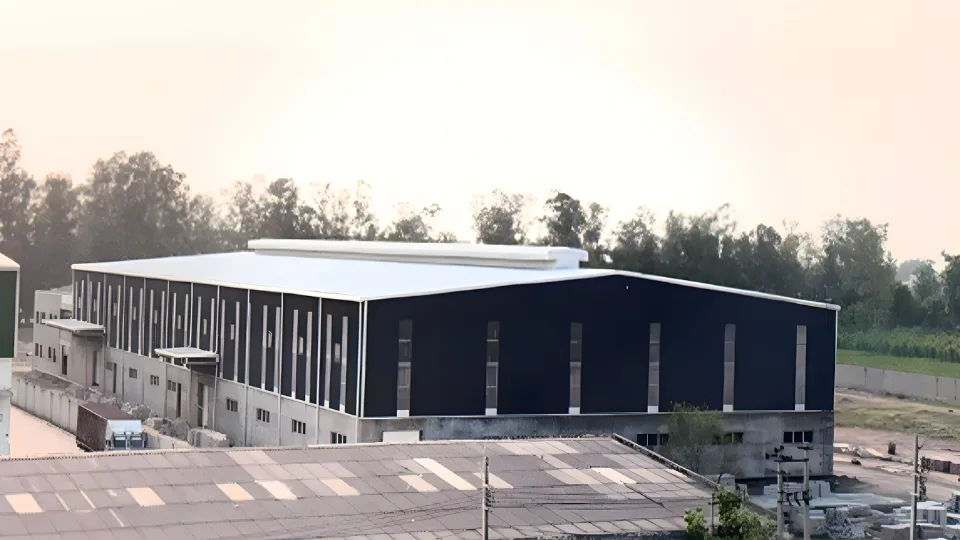
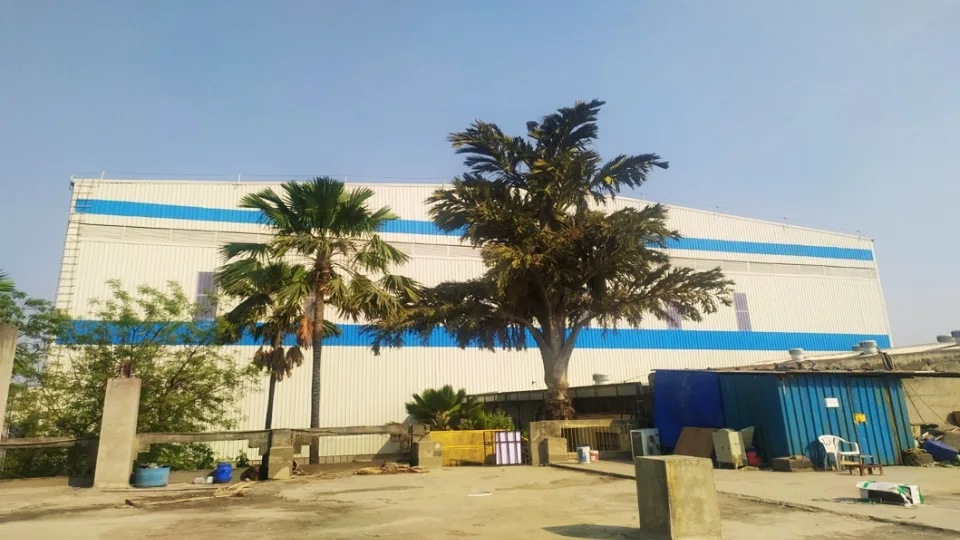
A Pre-Engineered Building (PEB) is a steel structure that is designed, engineered, and fabricated in a factory environment before being transported to the project site for assembly.
Unlike conventional buildings that rely on extensive on-site construction, PEB systems follow a design-first approach. Engineers analyze structural loads, span requirements, wind conditions, and operational needs before manufacturing the building components.
A typical PEB structure includes:
Steel columns and rafters
Secondary members such as purlins and girts
Bracing systems
Roofing and wall cladding
Ventilation and skylight systems
Because every component is designed for optimal efficiency, PEB structures use less material while delivering higher structural performance.
This efficient approach is one of the main reasons why experts believe the Future of PEB Buildings will dominate industrial construction.
Why PEB Construction Is Growing in India
India’s industrial growth is creating unprecedented demand for modern infrastructure.
Key drivers behind the Future of PEB Buildings include:
Rapid growth of e-commerce logistics
Expansion of manufacturing hubs
Industrial corridor development
Smart city initiatives
Government infrastructure programs
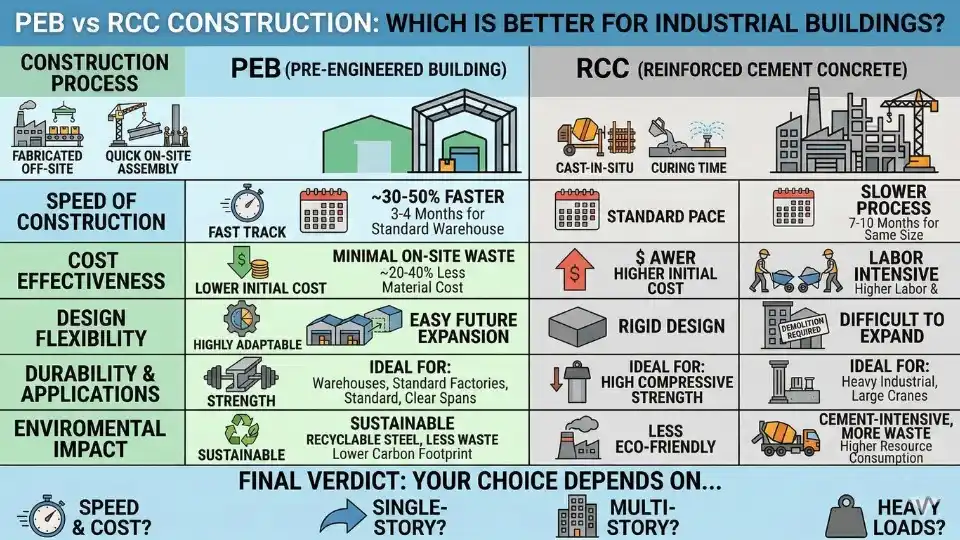
Traditional RCC construction methods often struggle to keep up with these demands due to slower construction timelines.
PEB structures, however, provide a faster and more scalable solution.
Key Trends Shaping the Future of PEB Buildings in India
1. Growth of Industrial Warehousing
One of the biggest contributors to the Future of PEB Buildings is the rapid expansion of warehouse infrastructure.
India’s logistics industry is undergoing a transformation driven by:
E-commerce growth
Supply chain modernization
Demand for large distribution centers
PEB warehouses provide large column-free spaces, making them ideal for high-density storage systems.
Because of these advantages, PEB technology is expected to dominate warehouse construction across India.
2. Rise of Manufacturing Infrastructure
India’s “Make in India” initiative has accelerated industrial development across multiple sectors.
Manufacturing plants require:
Large clear spans
Heavy load-bearing structures
Flexible layouts
These requirements align perfectly with PEB technology.
As industries continue to expand, the Future of PEB Buildings will play a key role in supporting manufacturing infrastructure.
3. Infrastructure Development and Industrial Projects
Large-scale infrastructure projects are another major factor shaping the Future of PEB Buildings.
Steel structures are increasingly used in:
Industrial utility buildings
Equipment shelters
Power plant structures
Infrastructure service buildings
PEB systems provide faster construction and structural flexibility, making them suitable for large infrastructure projects.
Technological Innovations Driving the Future of PEB Buildings:-
Advanced Structural Design Software
Modern engineering tools allow precise load analysis and structural optimization.
These technologies ensure:
Material efficiency
Structural safety
Improved building performance
Automation in Steel Fabrication
Automated manufacturing systems improve accuracy and consistency during steel fabrication.
This reduces errors and enhances the overall quality of PEB structures.
Smart Roofing Systems
New roofing technologies improve:
Thermal insulation
Energy efficiency
Weather resistance
These advancements are further strengthening the Future of PEB Buildings.
Sustainability and Green Construction
Environmental sustainability is another major factor influencing the Future of PEB Buildings.
Compared to traditional construction methods, PEB systems offer several environmental advantages:
Reduced material wastage
Recyclable steel components
Lower construction site pollution
Energy-efficient building envelopes
Many industries now prioritize green infrastructure, making PEB structures an attractive solution.
Cost Efficiency and ROI
For industrial developers, construction decisions are heavily influenced by long-term financial performance.
One reason the Future of PEB Buildings is so promising is the cost efficiency associated with these structures.
Key financial benefits include:
Faster project completion
Reduced labor dependency
Optimized material usage
Lower lifecycle maintenance costs
These advantages result in faster return on investment for industrial projects.
Applications Expanding the Future of PEB Buildings:-
Logistics and Warehousing
Large distribution centers and logistics hubs rely on PEB systems for flexible storage layouts.
Manufacturing Plants
PEB structures provide efficient layouts for assembly lines and production equipment.
Cold Storage Facilities
Temperature-controlled storage facilities benefit from insulated PEB roofing systems.
Aviation and Infrastructure
Aircraft hangars and infrastructure support buildings often use large-span PEB designs.
Advantages Supporting the Future of PEB Buildings
Several key advantages are driving the growing popularity of PEB structures.
Faster Construction
PEB structures can be completed significantly faster than conventional RCC buildings.
Structural Efficiency
Engineering optimization ensures strong yet lightweight structures.
Design Flexibility
PEB buildings allow customization for various industrial requirements.
Easy Expansion
Industrial facilities can easily expand their structures when business grows.
These benefits collectively strengthen the Future of PEB Buildings in India.
Challenges and Opportunities
Despite the strong growth potential, the Future of PEB Buildings also faces certain challenges.
Some industries still rely on traditional construction methods due to familiarity with RCC systems.
However, as awareness of PEB advantages grows, more developers are shifting toward steel-based construction.
This transition presents major opportunities for engineering companies specializing in industrial steel structures.
Role of Engineering Companies in the Future of PEB Buildings
The success of PEB construction depends heavily on engineering expertise and project execution.
Experienced companies such as Eco Plus contribute to the Future of PEB Buildings by delivering well-designed steel structures for industrial and infrastructure applications.
Engineering-driven construction ensures:
Structural safety
Efficient design
Reliable project timelines
These capabilities are essential for supporting India’s growing industrial infrastructure.
Frequently Asked Questions (AEO Optimized)
What is the future of PEB buildings in India?
The Future of PEB Buildings in India is highly promising due to rapid industrial growth, increasing warehouse demand, and infrastructure expansion.
Why are industries shifting toward PEB construction?
Industries prefer PEB structures because they offer faster construction, flexible layouts, and optimized material usage.
Are PEB buildings suitable for heavy industrial loads?
Yes, properly engineered PEB structures can support heavy machinery, cranes, and industrial equipment.
Can PEB buildings be expanded in the future?
One of the biggest advantages of PEB structures is the ability to expand the building easily as business requirements grow.
Conclusion: The Future of PEB Buildings Is Transforming Industrial Construction
The Future of PEB Buildings in India is closely tied to the country’s industrial growth and infrastructure development.
As industries demand faster, smarter, and more efficient construction methods, PEB technology offers a powerful solution.
From warehouses and manufacturing plants to infrastructure facilities, PEB structures are reshaping how industrial buildings are designed and constructed.
For businesses planning large-scale infrastructure projects, understanding the Future of PEB Buildings is key to making informed investment decisions.
As engineering capabilities continue to advance, steel-based construction systems will play an increasingly important role in building India’s industrial future.