
PEB Maintenance · Facility Management
Pre-Monsoon Maintenance Checklist for PEB & Prefabricated Buildings
For a facility manager, the first heavy rain should not be the moment when a roof leak, blocked downpipe or damaged sealant is discovered.
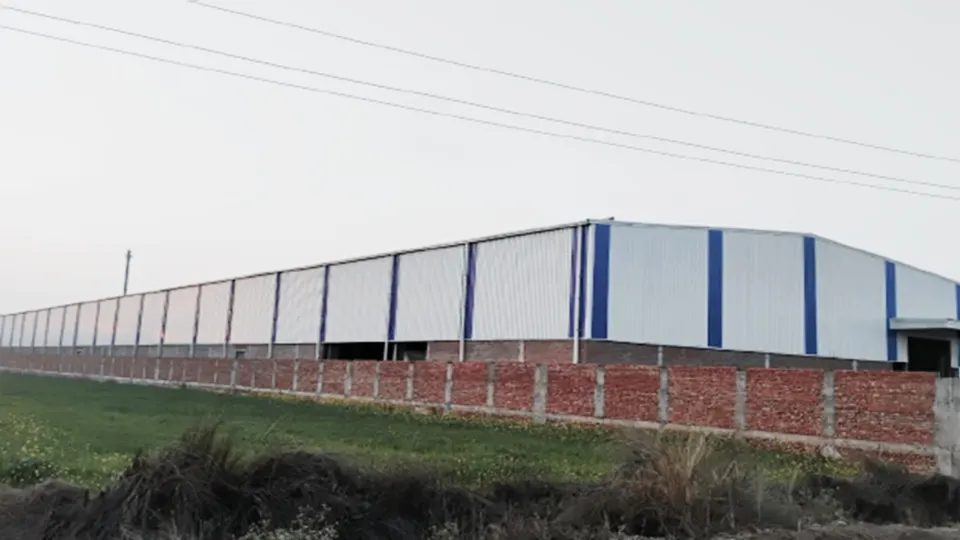
Pre-Engineered Buildings and prefabricated industrial structures are exposed throughout the year to dust, heat, wind, equipment movement and routine maintenance activity. Before the monsoon arrives, a planned inspection can help identify small problems before repeated rainfall turns them into operational disruptions.
This pre-monsoon PEB maintenance checklist focuses on the areas facility teams should review before the rainy season begins.
Before the Rain Arrives, Check
Roof
Sheets, fasteners, flashings, sealants and penetrations.Drainage
Gutters, outlets, downpipes and external stormwater paths.Building Envelope
Cladding, doors, openings and joints.Steelwork
Corrosion, coating damage and moisture-prone locations.Services
Electrical penetrations, ventilation and rooftop additions.Site
Surface drainage and water accumulation around the building.Start With the Roof, but Do Not Inspect It in Isolation
The roof receives the most direct exposure to rainfall, so it deserves early attention.
Inspect accessible roof areas for:
- Loose, missing or visibly damaged fasteners
- Deteriorated washers
- Damaged or displaced roofing sheets
- Open laps or joints
- Failed sealant around penetrations
- Ridge and flashing damage
- Debris collecting around drainage paths
- Signs of previous water entry inside the building
Do not assume that every visible leak originates directly above the wet area. Water can travel along roof sheets, structural members or insulation before becoming visible indoors.
Any roof inspection should follow appropriate work-at-height and access procedures. Repairs to structural roofing systems should be carried out by competent personnel.
Clear Gutters, Downpipes and Rainwater Outlets
A sound roof can still experience water problems when drainage is restricted.
- Roof
- Gutter
- Outlet
- Downpipe
- Ground Drainage
Remove leaves, packaging material, dust deposits, loose fasteners or metal offcuts and other debris. Check whether gutters are sagging, joints are leaking or downpipes have become loose.
Also inspect the area where rainwater is finally discharged. A clear downpipe is of limited value if water then collects beside the building or cannot enter the external drainage network.
Drainage planning is particularly important for large industrial campuses and Pre-Engineered Warehouse facilities with extensive roof areas. For industrial campuses, include nearby stormwater channels and paved areas in the inspection.
Check Roof Penetrations and Added Equipment
Industrial roofs often change after the building is handed over. Over time, facilities may add:
- Exhaust systems
- Ducts
- Solar equipment
- Cable routes
- Ventilators
- Pipes
- Skylights
- Other service penetrations
Each modification creates another area where waterproofing and flashing need attention. Review the perimeter of penetrations for damaged sealants, loose flashing or signs of movement.
If rooftop equipment has been added after the original building was completed, confirm that its installation has not damaged roofing sheets or obstructed normal drainage.
Look for Early Signs of Corrosion
A small area of coating damage is easier to address than widespread corrosion.
Inspect accessible steelwork, especially locations exposed to moisture or repeated water splash. Look around:
- Column bases
- Connection areas
- Gutters and downpipes
- Secondary members near openings
- Areas below previous roof leaks
- Steel around process or wash-down zones
- Exterior members exposed to weather
Watch for rust staining, peeling coatings or persistent moisture. Minor coating defects should be assessed and corrected using the appropriate surface preparation and coating system, in line with ECO Plus quality practices.
Widespread corrosion, section loss or structural damage should be reviewed by a qualified professional rather than treated as a routine paint-repair job.
When Routine Maintenance Is Not Enough
Do not treat visible structural deformation, significant corrosion or damaged connections as routine paint-and-repair work.
Arrange appropriate technical assessment where structural condition is uncertain.
Inspect Wall Cladding, Flashings and Openings
Wind-driven rain does not enter industrial buildings only through the roof. Check external walls for:
- Loose cladding
- Open sheet laps
- Damaged corner flashing
- Failed sealants
- Gaps around doors
- Water marks below windows or louvers
- Damaged translucent panels
Pay particular attention to large industrial shutters and loading bays because they are frequently exposed during operations.
If water entered during the previous monsoon, use the old leakage location as a starting point — but inspect the surrounding area rather than repairing only the visible stain.
Review Insulation and Signs of Condensation
Not every damp patch is a roof leak.
Higher humidity during the rainy season can make condensation more noticeable, particularly where warm moist air meets cooler roof or wall surfaces. Facility teams should look for:
- Damp insulation
- Water staining
- Sagging insulation
- Persistent condensation
- Musty odours
- Moisture around ventilation openings
If insulation has become wet, identify the source before replacing the affected material. Ventilation, internal process conditions and the building envelope may all need to be considered.
Check Electrical Areas Before Heavy Rain
Water entry near electrical infrastructure requires particular care. Inspect areas around:
- Electrical panels
- Cable entries
- External junction boxes
- Outdoor equipment
- Roof penetrations carrying electrical services
- Areas where previous seepage has occurred
Any electrical inspection or corrective work should be performed by appropriately qualified personnel. Facility teams should not wait until active water ingress reaches an electrical panel before taking action.
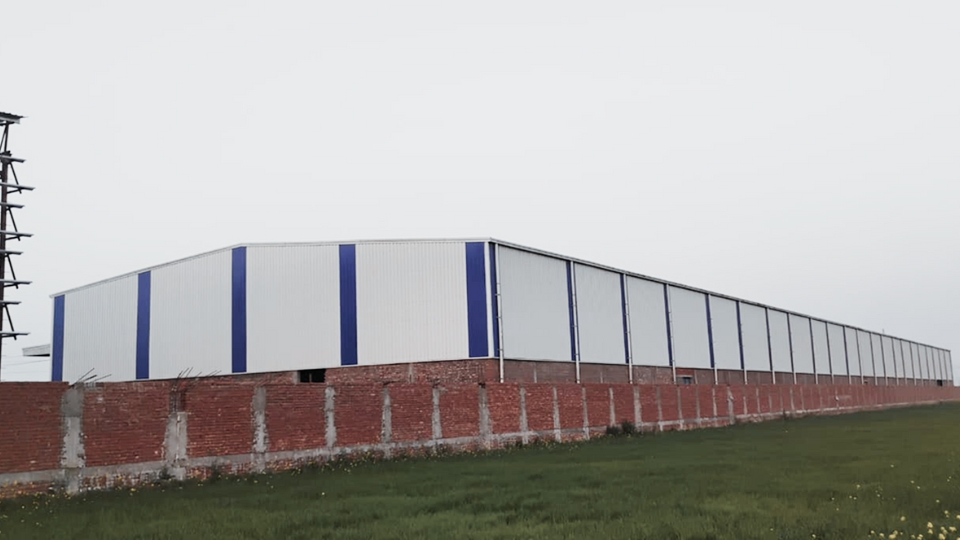
Inspect the Building Perimeter
Pre-monsoon maintenance should extend beyond the steel structure. Walk around the building after checking the roof and look for:
- Blocked surface drains
- Water likely to collect near column bases or walls
- Damaged paving
- Soil erosion
- Poor discharge from downpipes
- Materials stored against external walls
- Vegetation interfering with drainage
- Low areas where water previously accumulated
Rainwater should have a clear route away from the building. Large industrial sheds also require coordinated roof drainage and external water management, particularly where loading yards, truck movement and outdoor storage can gradually alter the original drainage path.
Review Doors, Shutters and Emergency Access
Heavy rain and wind can expose problems with large openings. Before monsoon, check:
- Industrial shutters
- Personnel doors
- Windows
- Louvers
- Weather seals
- Locks and closing mechanisms
- Emergency exits
Doors and shutters should operate normally before poor weather arrives. Do not allow stored material or temporary equipment to block emergency access while reorganising the facility for monsoon operations.
Protect Stored Material Inside the Building
Facility maintenance is not only about protecting the structure. Consider what would happen if water entered unexpectedly. Review whether sensitive inventory is:
- Directly below known leakage points
- Stored against external walls
- Sitting directly on the floor
- Located beneath roof penetrations
- Close to doors exposed to wind-driven rain
Where appropriate, maintain safe clearance and suitable storage arrangements for materials that could be damaged by water. This is particularly relevant for prefabricated factory buildings and warehouses storing electrical components, packaging, raw materials or finished products.
Keep a Simple Pre-Monsoon Inspection Record
A maintenance checklist becomes far more useful when findings are documented. Download the sheet for Excel, or print it and carry it on the walk-through.
| Inspection Item | Condition | Action Required | Responsibility | Status |
|---|---|---|---|---|
| Roof sheets | ||||
| Fasteners & seals | ||||
| Gutters | ||||
| Downpipes | ||||
| Cladding | ||||
| Corrosion | ||||
| Electrical areas | ||||
| External drainage |
Photographs can also help teams compare recurring problem areas from one season to the next.
What Should Be Escalated Instead of Repaired Routinely?
Not every problem belongs on a normal maintenance work order. Arrange specialist assessment where there is:
- Visible structural deformation
- Significant or spreading corrosion
- Damaged structural connections
- Repeated major leakage despite repairs
- Movement of roofing or cladding
- Serious water entry near electrical systems
- Unexpected settlement or movement around the building
Facility personnel should avoid making structural modifications without suitable technical review.
After the First Major Rain, Inspect Again
A pre-monsoon inspection should not be the final check.
After the first substantial rainfall, walk through the building and inspect previously repaired areas, roof drainage performance, interior leakage, wall joints, loading bays and external water accumulation.
This real-weather check can reveal problems that were difficult to identify during dry conditions.
Prepare Before the First Heavy Rain
Good monsoon preparation is less about emergency repair and more about finding weak points early.
For PEB and prefabricated buildings, facility managers should give particular attention to roofing, drainage, joints, corrosion, penetrations, cladding and external water management. A documented inspection also makes it easier to track recurring issues and plan repairs before they disrupt operations.
The most useful maintenance question before monsoon is simple: if heavy rain starts tonight, where is this building most likely to have a problem?
Inspect that area first — and make sure the full drainage and building-envelope system is ready before the rain arrives.
Frequently asked questions
What should be checked before monsoon in a PEB building?
Start with roof sheets, fasteners, sealants, gutters, downpipes, wall cladding, corrosion-prone areas, roof penetrations and external drainage. Previous leakage locations should also be reviewed.
How often should PEB roofs and drainage systems be inspected?
Inspection frequency depends on building use, environment and maintenance history. A dedicated check before the monsoon is advisable, with additional inspection after significant rain or whenever leakage or damage is observed.
Can blocked gutters cause roof leakage?
Blocked gutters or outlets can interfere with normal rainwater drainage and contribute to water accumulation or overflow. Keeping the complete drainage path clear is therefore an important preventive-maintenance task.
Should rust on a PEB structure simply be repainted?
Not automatically. Minor coating damage may be repairable, but significant corrosion, section loss or structural concerns should be assessed by a competent professional before corrective work is decided.
Should a building be checked again after the monsoon starts?
Yes. An inspection after the first major rainfall can help identify leaks, drainage problems or water accumulation that were not visible during dry-weather inspection.
ECO Plus Industrial Building Experience
ECO Plus develops and executes industrial steel infrastructure including Pre-Engineered Buildings, industrial sheds, warehouses and prefabricated factory buildings.
Planning or Maintaining Industrial Steel Infrastructure?
For new industrial PEB, warehouse or factory-building requirements, discuss the project scope with ECO Plus.